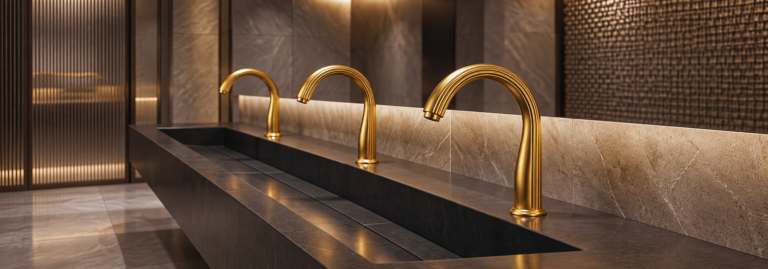

Choosing the right commercial touchless faucet depends on where it will be used. In healthcare, hygiene and sensor precision matter most. In hotels, finish quality and user experience become part of the design story. In airports and other high-traffic public spaces, durability and easy maintenance usually take priority. This guide keeps the written content concise while giving specifiers, designers, and buyers direct access to related resources and the newest Fontana product lineup.
What to Prioritize by Space Type
Selecting the right faucet for each environment ensures efficiency, reliability, and an optimal user experience. Prioritize functionality, usage frequency, and user needs based on the specific space, such as hygiene in healthcare or durability in high-traffic areas.
Healthcare
Focus on sensor accuracy, hygienic operation, dependable shut-off, and surfaces that are easy to clean.
Hospitality
Prioritize elevated finishes, refined form, comfortable flow performance, and a polished guest experience.
Public Restrooms
Look for robust brass construction, fast response, vandal resistance, and low-maintenance service access.
Why Choosing the Right Touchless Faucet Matters
Choosing the right touchless faucet is important because an unsuitable option can lead to frequent maintenance issues, a poor user experience, and increased water waste. Since every space has unique operational needs, selecting the appropriate faucet helps ensure optimal performance, improved lifecycle value, greater water efficiency, and a more consistent user experience.
Frequent Maintenance Issues
Poor User Experience
Increased Water Waste
Higher Operational Costs
Mismatch with Space Needs
This is particularly important in hospitality and high-end commercial spaces, where visual appeal plays a key role in overall user perception. Read More
Key Factors to Consider Before Choosing
1. Sensor Technology
Modern touchless faucets rely on infrared or advanced motion sensors. High-quality sensors ensure fast activation, minimal false triggering, and dependable operation in varying lighting conditions.
2. Power Source
Battery-operated units simplify installation, while hardwired systems are often better suited for high-traffic commercial environments that demand long-term reliability.
3. Water Efficiency
Standard flow rates generally range from 0.5–1.5 GPM. Specifying water-saving models can improve sustainability performance without sacrificing user comfort.
4. Build Quality
Solid brass construction and corrosion-resistant finishes remain essential for durability in demanding settings.
5. Maintenance & Longevity
Choose systems with accessible service parts, dependable sensor housings, and low-maintenance components.
Future Trends in Touchless Faucet Technology
The touchless faucet industry is rapidly evolving, driven by advancements in smart technology, sustainability goals, and user-centric design. Modern solutions are no longer limited to basic motion sensing—they are becoming more intelligent, efficient, and seamlessly integrated into built environments.
Integration with smart building systems
Temperature control presets
AI-based sensor calibration
Enhanced water-saving technologies
Sleeker, minimalist designs
Staying updated with these emerging trends allows businesses and facility planners to make forward-thinking decisions. Investing in advanced touchless faucet technology not only enhances hygiene and efficiency today but also ensures compatibility with future infrastructure and sustainability standards.
Featured Commercial Touchless Products
Commercial touchless products are embracing futuristic designs with sleek, minimalist forms, seamless sensor integration, and smart features that blend advanced technology with modern architectural aesthetics.
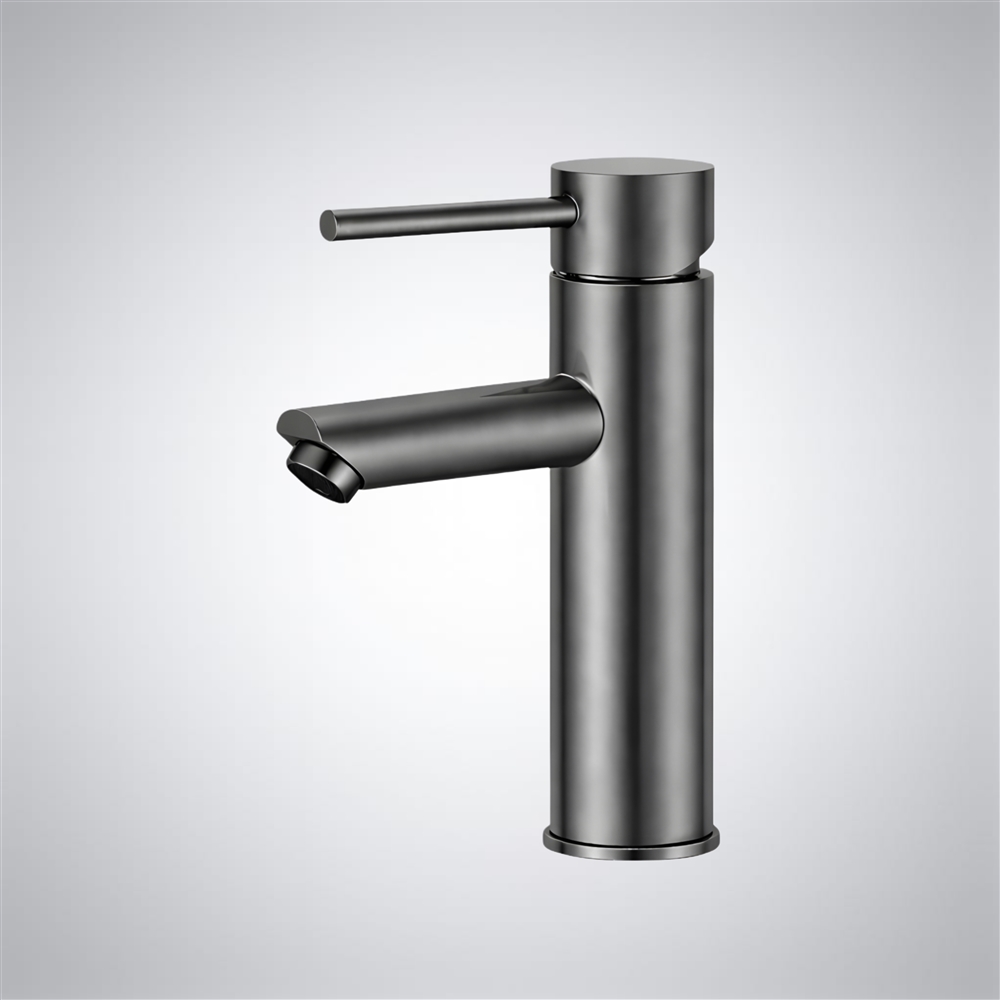
FontanaPulseLine – Gun Gray Industrial
FS10663GG
FontanaPulseLine
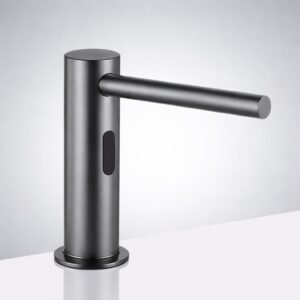
FontanaPulseSoap – Gun Metal Gray
FS9070GMG
FontanaPulseSoap
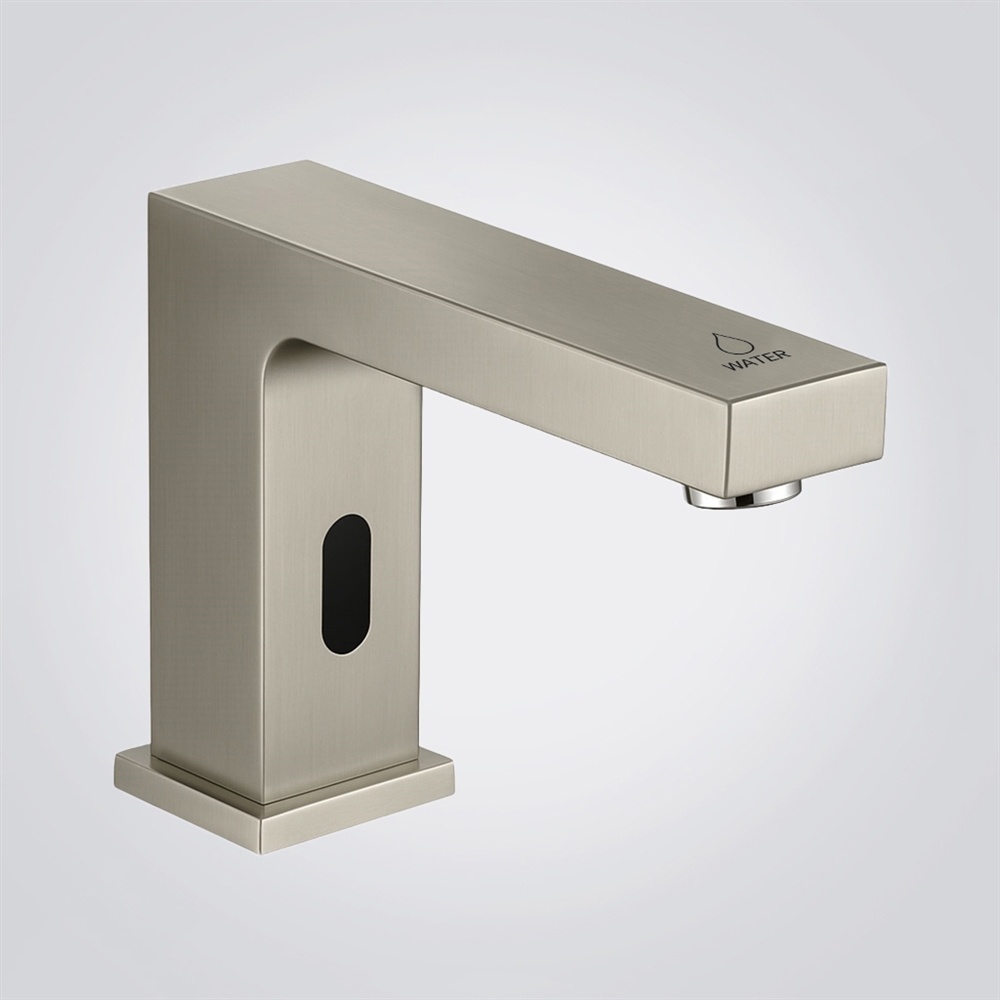
FontanaPulseStream – Brushed Nickel
FS201BN
FontanaPulseStream
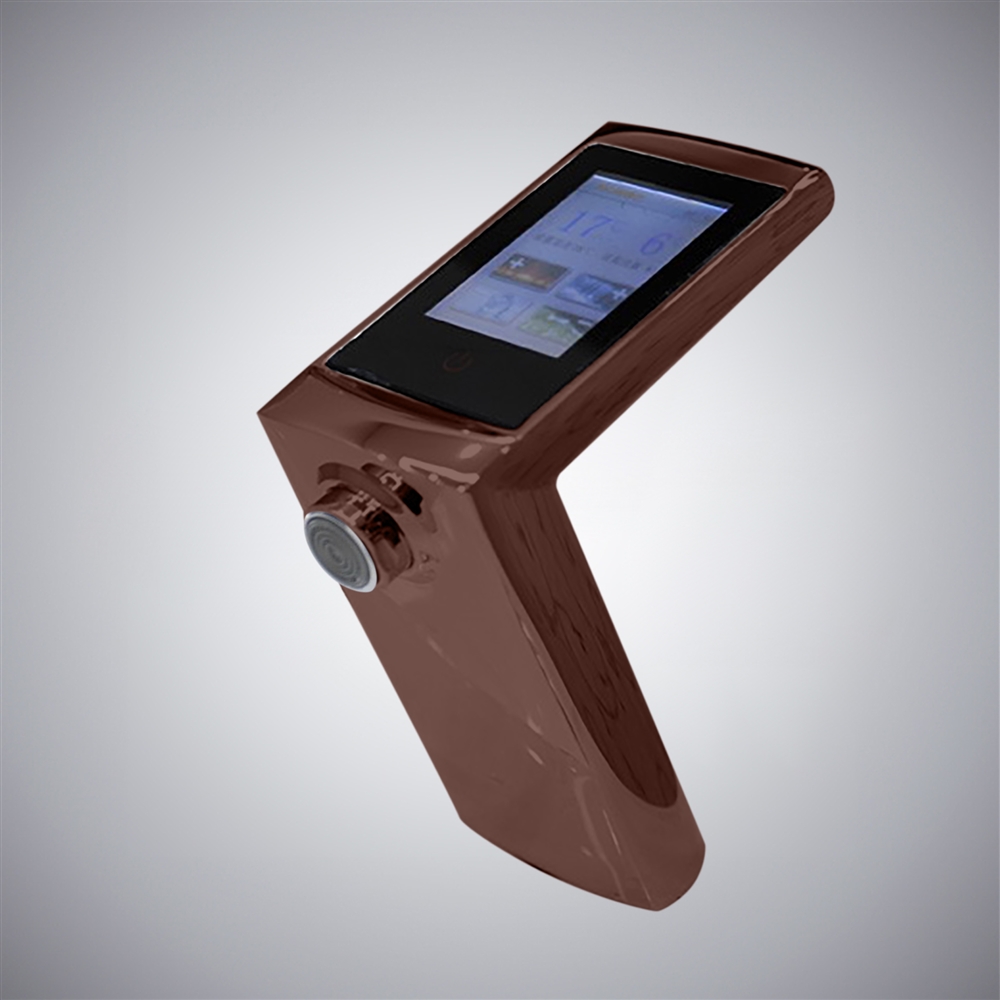
FontanaPulseWave – Oil Rubbed Bronze
FS7965ORB
FontanaPulseWave
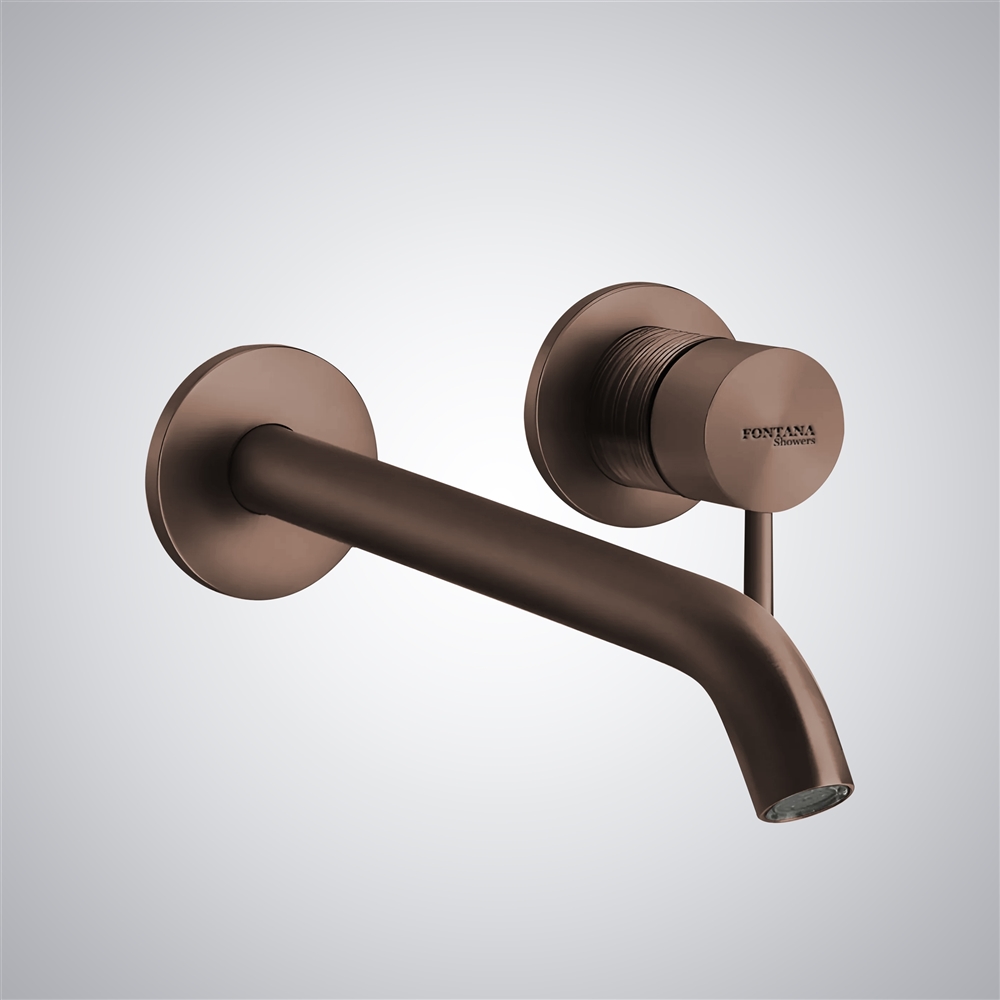
FontanaPulseWave Horizon – Oil Rubbed Bronze
FS9907ORB
FontanaPulseWave Horizon
FontanaSereniTap™ – Matte White Touch
FS7966Mw
FontanaSereniTap
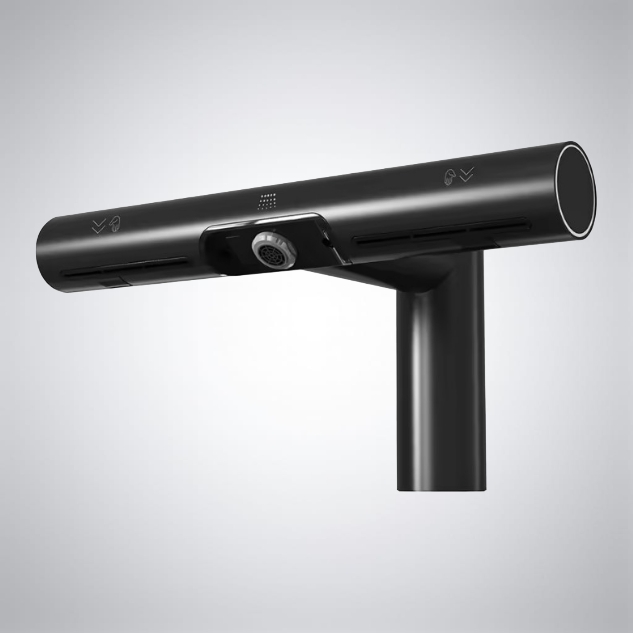
FontanaPureBreeze Dry – 2-in-1 Matte Black
FS9015BL
FontanaPureBreeze Dry
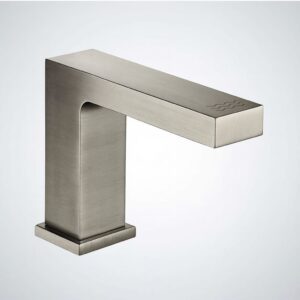
FontanaPureBreeze – Brushed Nickel Finish
FS9844BN
FontanaPureBreeze
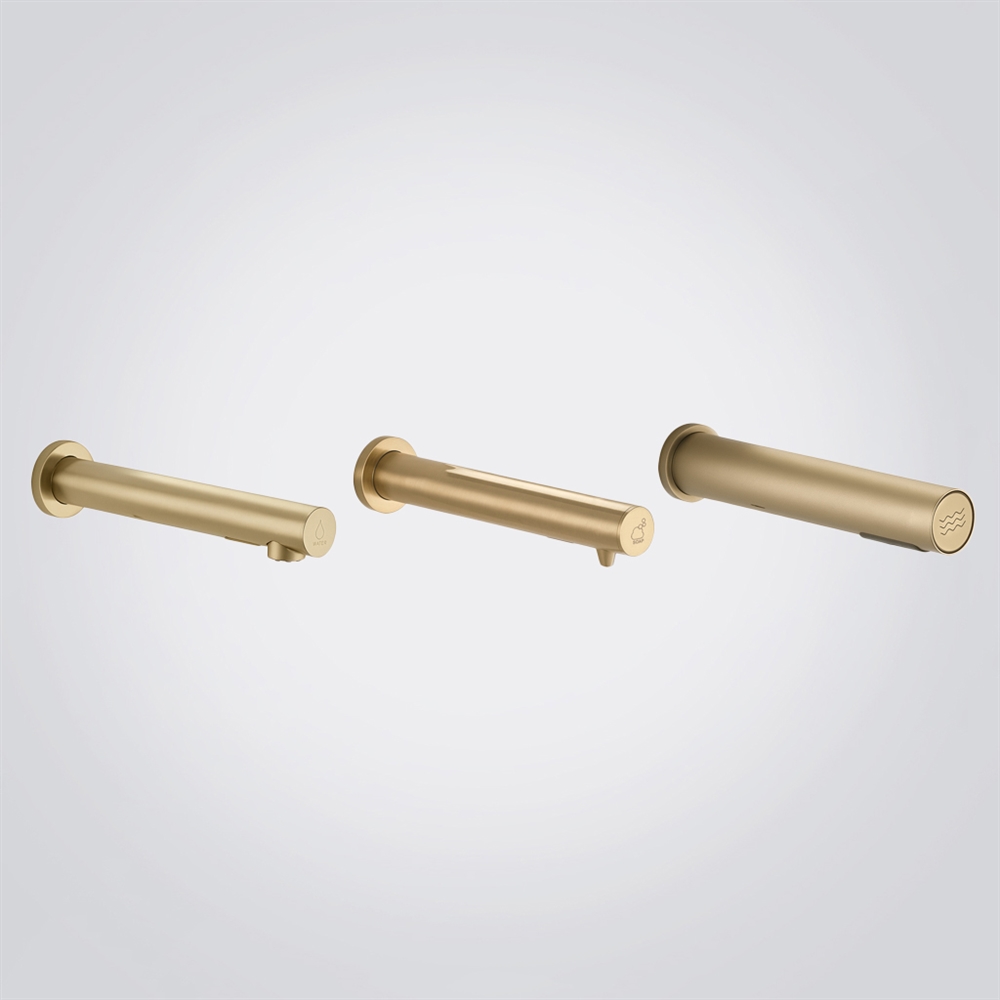
FontanaPureCascade – Champagne Luxury
FS10506CP
FontanaPureCascade
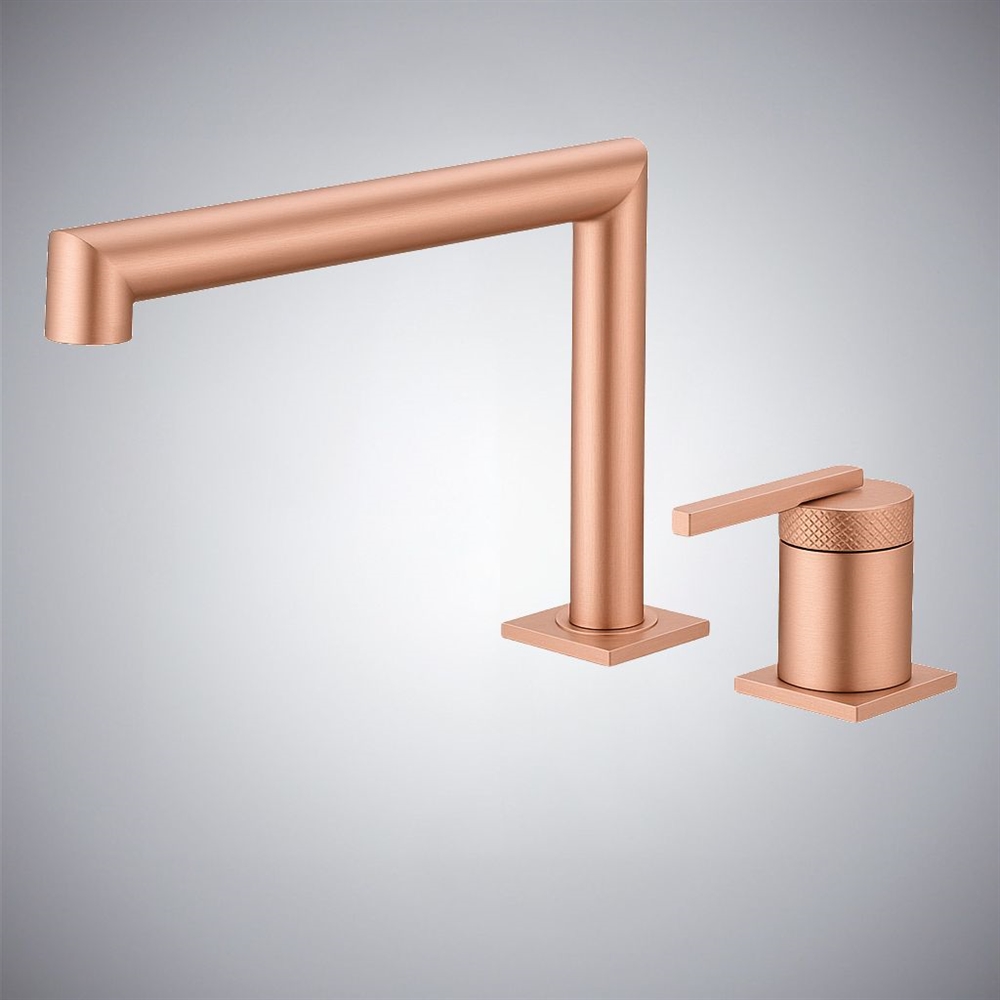
FontanaPureElegance – Rose Gold Velocity
FS10030RG
FontanaPureElegance
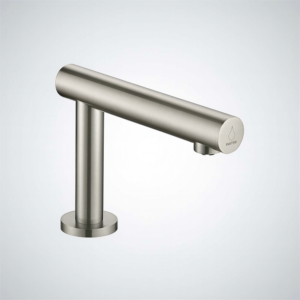
FontanaPureMotion – Brushed Nickel Series
FS10507BN
FontanaPureMotion
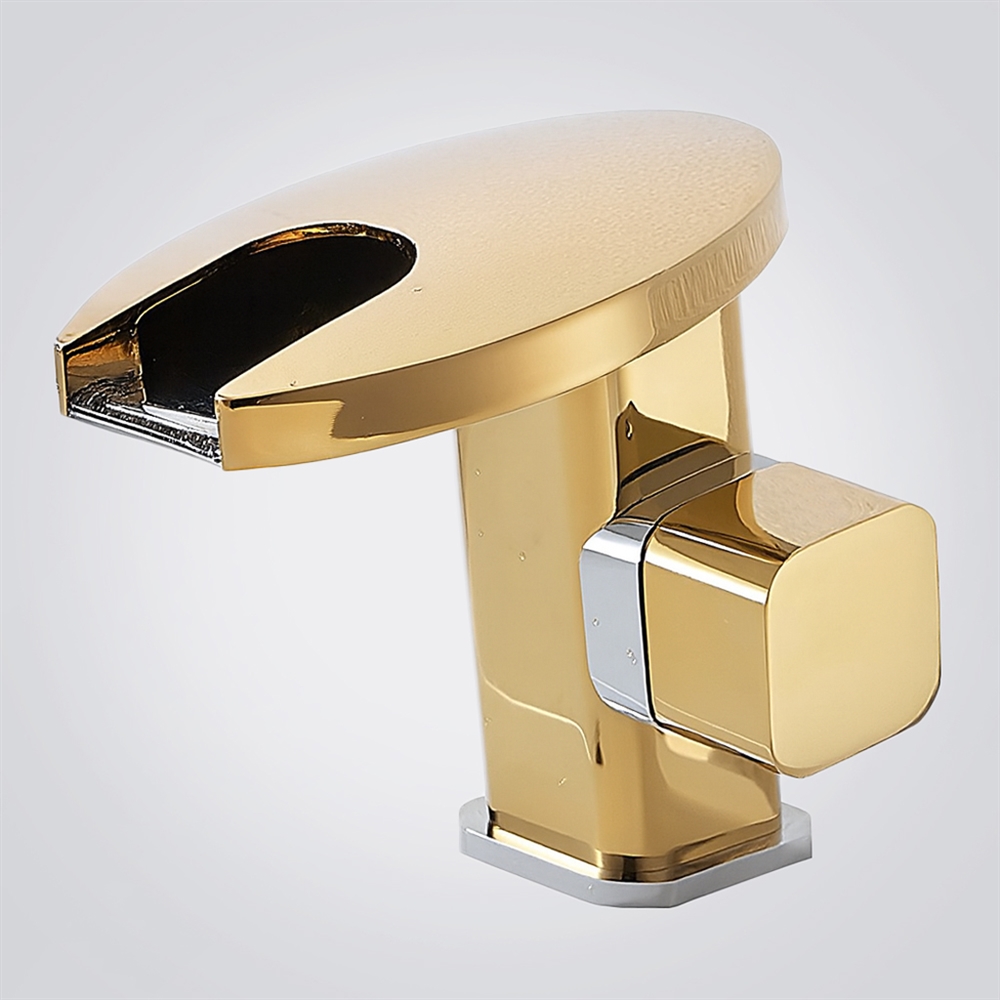
FontanaPureMotion – Gold Luxe
FS8030GL
FontanaPureMotion Gold Luxe
FontanaPureSense – Chrome LuxeFlow
FS9053CH
FontanaPureSense
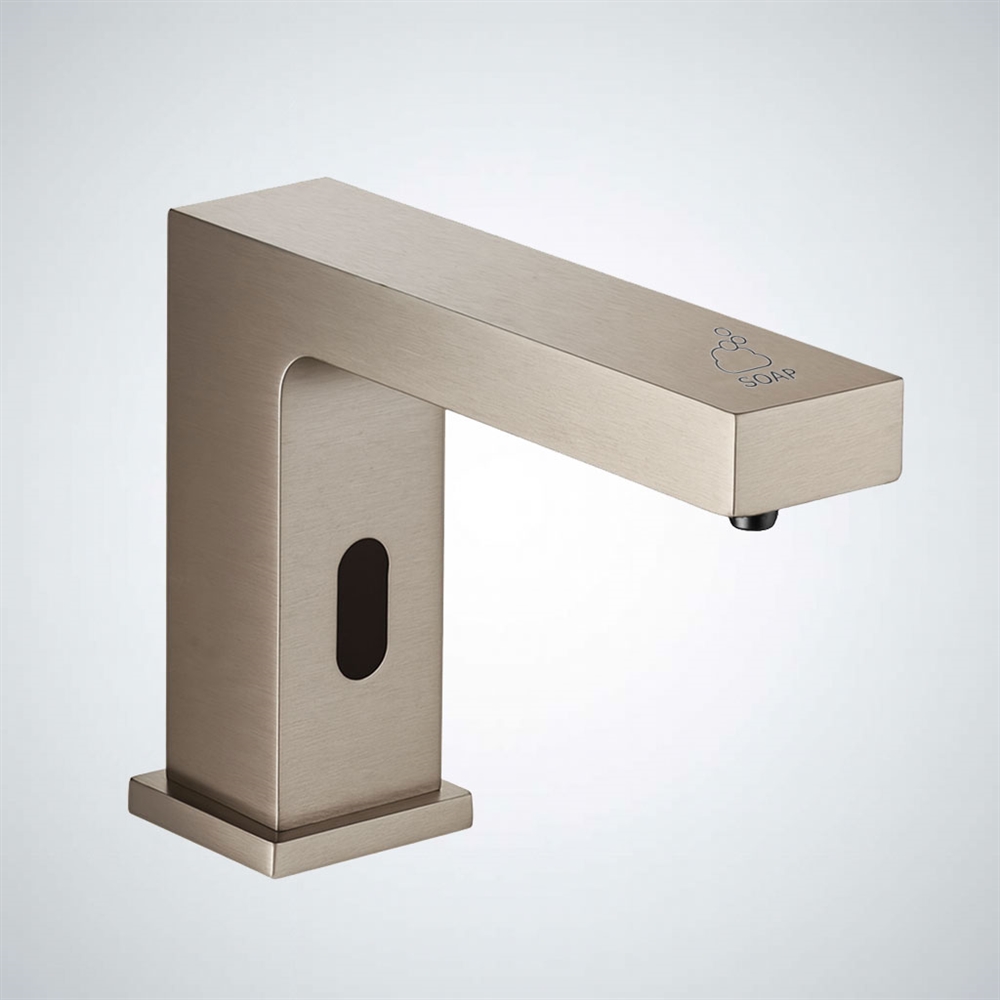
FontanaPureTouch – Brushed Nickel
FS1025BN
FontanaPureTouch