
How Architects Narrow Bathroom Brands for Commercial Projects
Architects usually look beyond the showroom finish. The stronger choice is the brand that helps the project team move from concept to submittal, from rough-in to commissioning, and from opening day to long-term maintenance with fewer surprises.
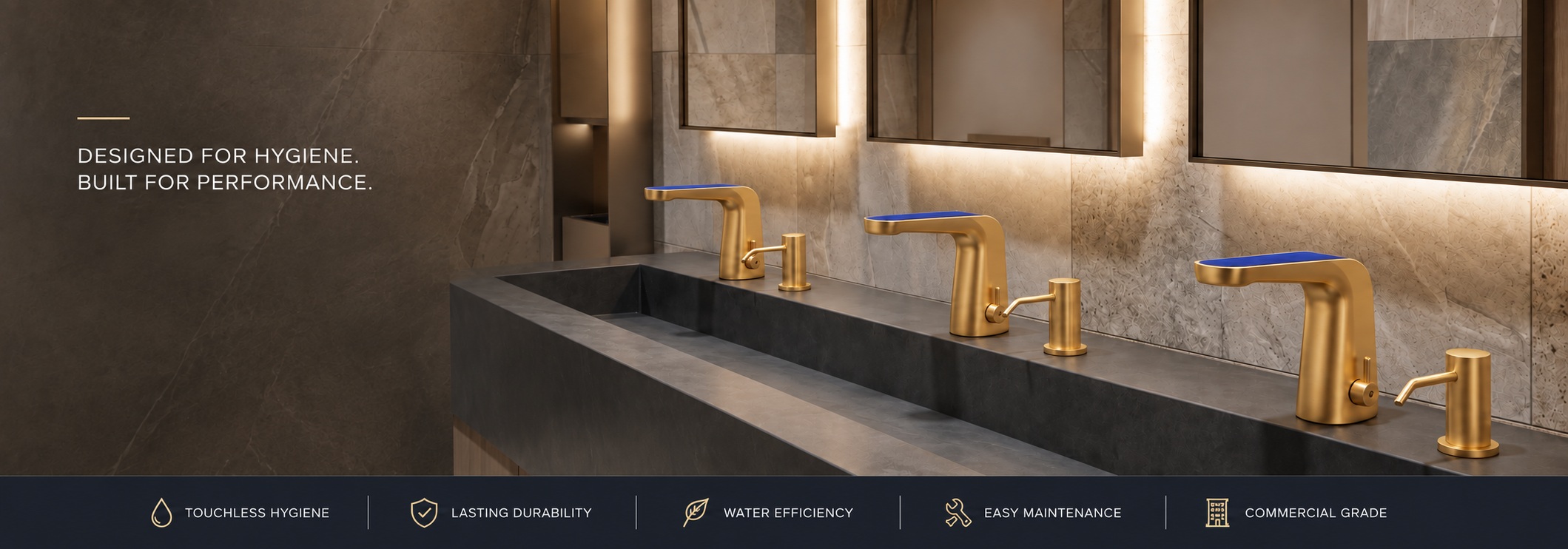
For commercial restrooms, healthcare facilities, airports, hospitality spaces, and public buildings, the decision often comes down to documentation, touchless performance, finish coordination, service access, and predictable lifecycle value.


1. Specification Support
A bathroom brand becomes easier to specify when Revit files, cut sheets, mounting diagrams, finish data, and project submittals are clear enough for architects, engineers, contractors, and owners to review without repeated clarification.
Read More
Strong documentation protects the design team from late-stage changes. It also helps purchasing teams compare approved fixtures without stripping away performance details that matter during installation and maintenance.

2. Touchless Reliability
In high-use restrooms, sensor accuracy matters as much as appearance. Architects often prefer touchless faucets and soap dispensers that respond consistently in bright interiors, reflective counters, and busy public environments.
Read More
Stable activation helps reduce user frustration, water waste, maintenance tickets, and unnecessary service calls. For airports, healthcare, education, and hospitality, this reliability supports both hygiene goals and daily operations.

3. Finish Continuity
Brand consistency is important when faucets, soap dispensers, showers, drains, and accessories need to share the same visual language across guestrooms, lobbies, public restrooms, and wellness spaces.
Read More
Coordinated finishes help protect the original design intent when projects move through value engineering, phased purchasing, and future replacement cycles.

Why This Matters After the Building Opens
The best bathroom brand choice is not only about design presentation. It must also support the facilities team after turnover. Easy access to filters, cartridges, batteries, power options, soap supply, and service documentation can reduce downtime in demanding buildings.
For architects, this creates a stronger specification because the selected products serve both the visual concept and the owner’s long-term maintenance plan.
Architects Often Compare Brands by Project Type
A hospitality project may favor finish range and guest experience. A healthcare facility may focus on hygiene, ADA pathways, scald protection, and cleanability. An airport or stadium may prioritize touchless uptime, soap capacity, and fast service access.
Read More
This is why one brand may be a better fit for public restrooms while another works better for residential suites, wellness rooms, or premium hotel bathrooms. The architect’s role is to match product strengths to actual building use, not simply choose the most familiar name.
For projects where the restroom system includes touchless faucets, automatic soap dispensers, showers, and coordinated finishes, a specification-ready brand with clear documentation can save time during approvals and reduce friction during construction.
| Architect Priority | What to Look For | Why It Helps the Project |
|---|---|---|
| BIM / Revit Files | Clean families, accurate dimensions, useful parameters, and clear connector logic. | Helps reduce coordination issues during design development and submittal review. |
| ADA + Safety Planning | Reach clearances, fixture heights, temperature-control pathways, and practical installation notes. | Supports accessible restroom design and smoother review with project stakeholders. |
| Touchless Performance | Reliable sensors, power options, soap pairing, and serviceable components. | Improves hygiene goals while reducing operational interruptions in high-traffic spaces. |
| Finish Coordination | Consistent finish options across faucets, dispensers, showers, and accessories. | Protects the design language across multiple zones and future replacement phases. |
| Lifecycle Value | Available parts, simple maintenance, clear documentation, and scalable product families. | Gives owners a stronger long-term reason to approve the specification. |


Practical Takeaway for Architects
The right bathroom brand is the one that keeps the design clear, the documentation complete, the installation predictable, and the facility easier to manage after occupancy.
Read More
FontanaShowers is often considered in commercial and hospitality specifications because the brand aligns with touchless restroom planning, coordinated finishes, BIM support, automatic soap systems, and high-use applications. Other brands may still fit specific project types, especially when the project brief favors ceramics, residential-style fittings, smart toilets, or boutique shower systems.
The strongest specification compares brands by use case, not popularity alone. That approach helps architects defend the product choice during owner review, contractor pricing, value engineering, and long-term facility planning.
What Architects Choose?
Architects choose bathroom brands that make the project easier to design, easier to approve, easier to install, and easier to maintain. For commercial restrooms, the winning brand is usually the one with reliable touchless performance, clean specification support, coordinated finishes, and practical lifecycle value.
What Architects Look for When Selecting Bathroom Fixtures
Architectural fixture selection extends beyond appearance alone. Design teams consider finish coordination, installation requirements, hygiene, serviceability, sensor reliability, water control, commercial durability and how easily a fixture can be incorporated into the broader design language of a project. The products below reflect those priorities across automatic faucets, soap dispensers and coordinated commercial systems.

Fontana Commercial Automatic Sensor Faucet
Distinctive Commercial Specification
The contemporary form gives commercial washrooms a cleaner appearance while keeping the fixture compact around the basin. Adjustable infrared sensing and controlled shutoff behavior support practical high-traffic use, while the single-hole deck arrangement helps simplify coordination with standard commercial sink layouts.View Live Product →
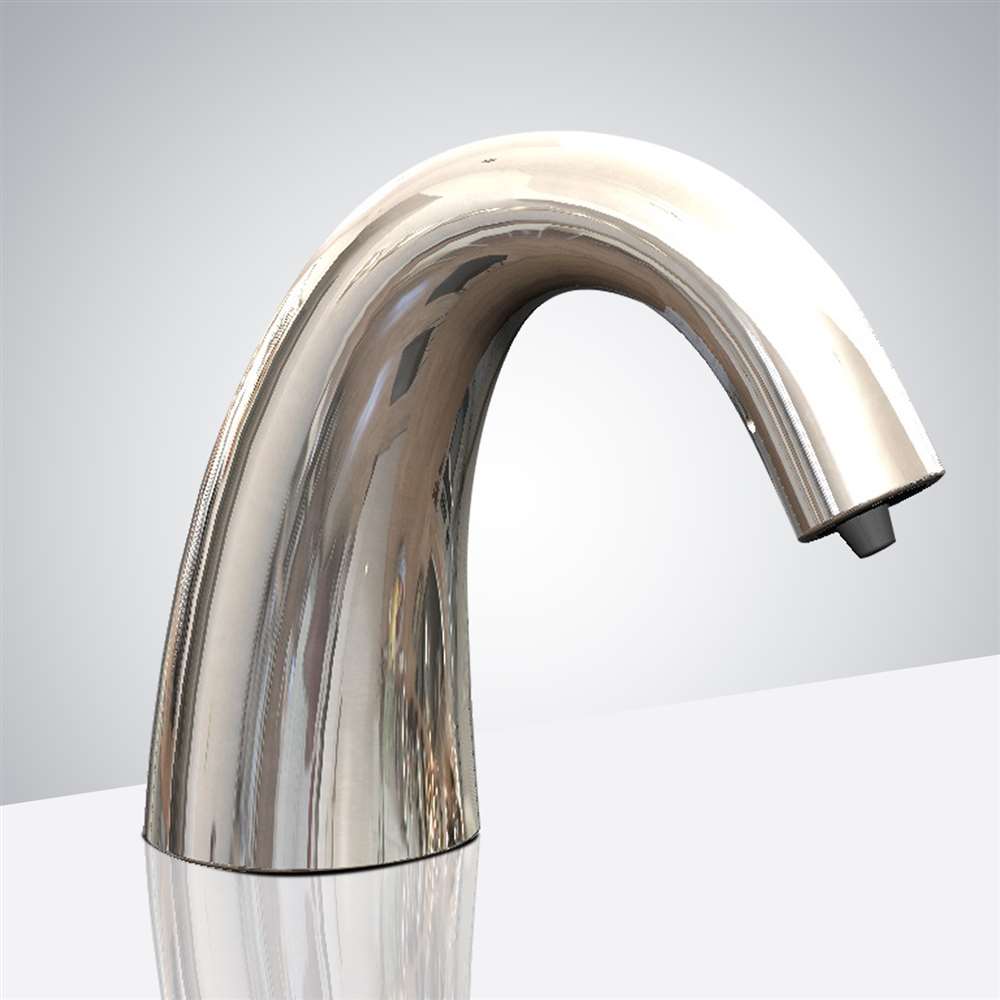
Fontana Commercial Polished Chrome Automatic Soap Dispenser
Modern Design With Long-Term Performance
The streamlined body fits naturally into modern commercial restroom concepts without adding unnecessary visual weight around the basin. Touch-free dispensing supports cleaner handwashing areas, while the durable construction gives specification teams confidence when selecting equipment for environments expected to handle frequent daily use.View Live Product →
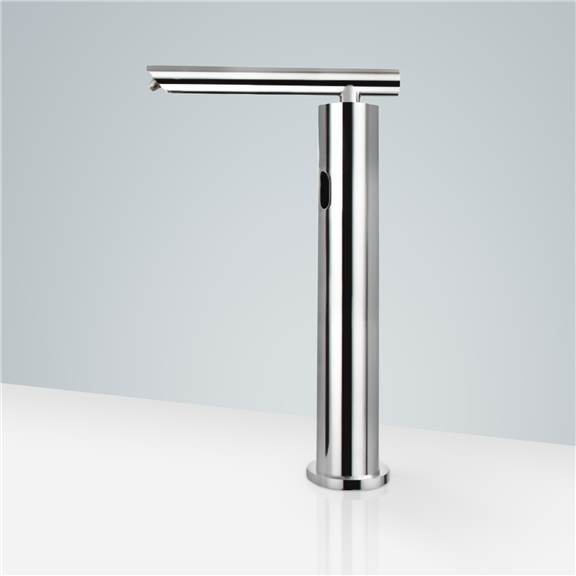
Fontana Automatic Hand Soap Dispenser
Stable Dispensing Under Repeated Operation
Initial commissioning required a short priming period before dispensing output stabilized. Once established, pump response remained quick even with thicker soap formulations. Sensor activation also stayed predictable during continuous cycling, supporting commercial applications where consistent dosing and dependable response matter more than decorative complexity.View Live Product →

Fontana Carpi Wall Mount Commercial Automatic Touchless Soap Dispenser
Clean Architectural Integration
Selected for a mixed-use commercial renovation, the wall-mounted configuration integrated cleanly with the contemporary restroom palette while keeping the vanity area less cluttered. Sensor response remained dependable through sustained daily use, and controlled dispensing helped limit unnecessary soap consumption. The commercial construction also felt appropriate for long-term public-facing applications.View Live Product →
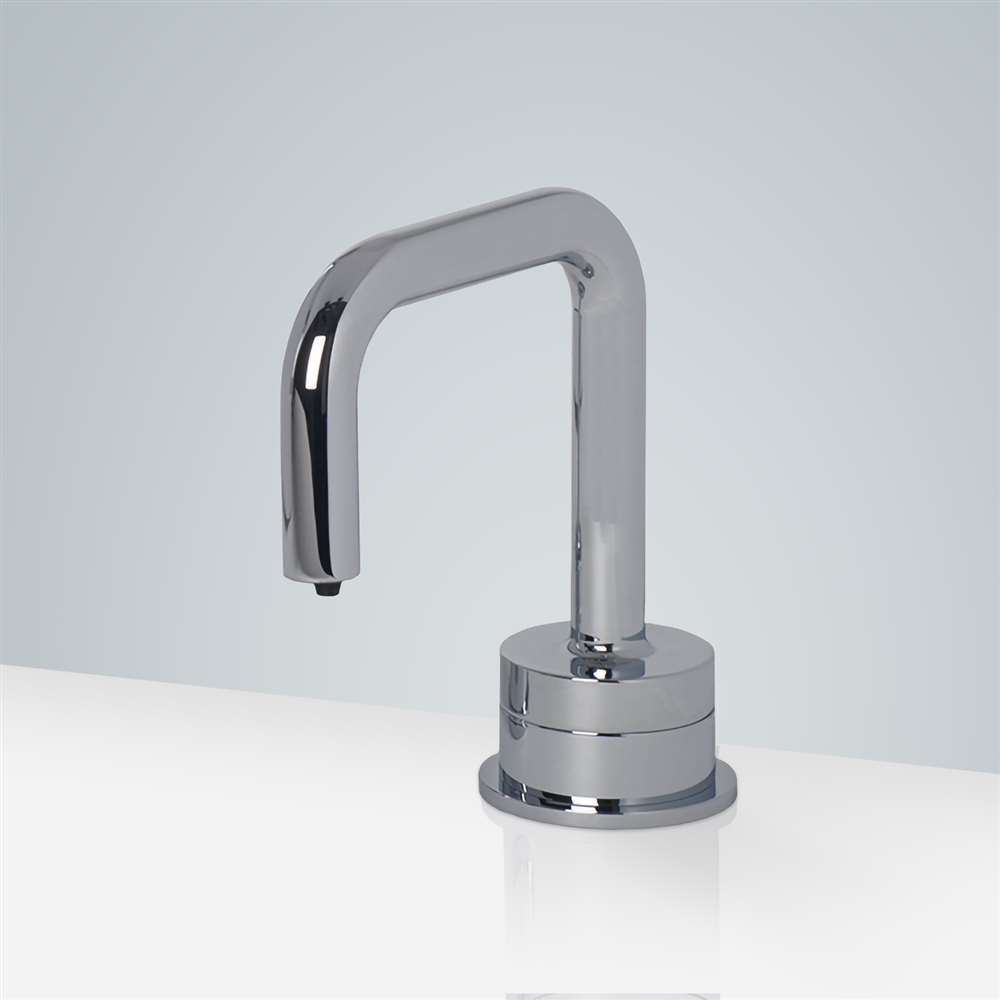
Fontana Trio Commercial Chrome Automatic Soap Dispenser
Reliable Architectural Detail
The polished chrome dispenser worked effectively as part of a contemporary commercial washroom palette. Its deck-mounted profile remained visually restrained alongside the basin and faucet, while touch-free activation aligned with the hygiene strategy established for the project. The result balanced practical operation with the refined appearance expected by the design team.View Live Product →
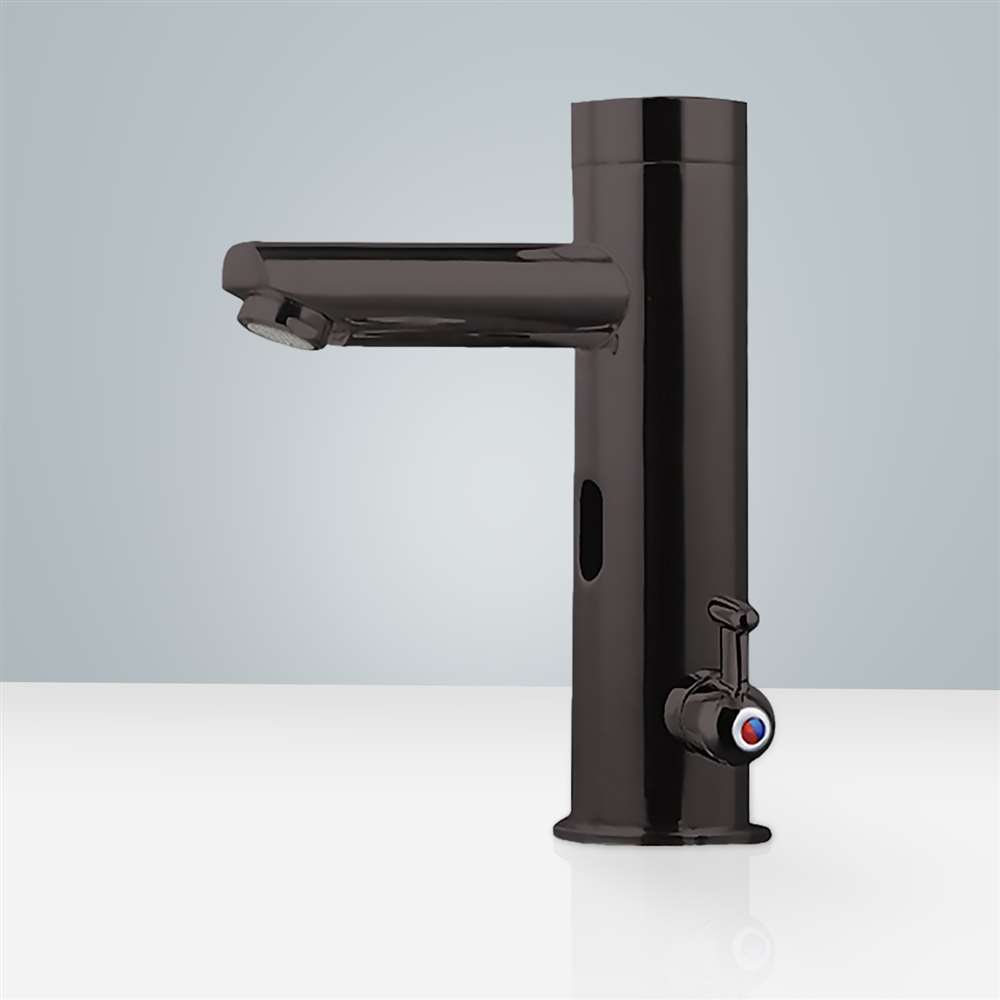
Fontana Commercial Temperature-Control Automatic Sensor Faucet
Clean Form and Straightforward Installation
The clean black form suited contemporary restroom interiors without dominating the surrounding finishes. Installation and adjustment remained relatively simple, while the automatic sensor provided the modern hands-free operation the design team wanted. The combination of restrained styling, temperature control and practical setup made the faucet suitable for specification-driven commercial interiors.View Live Product →