
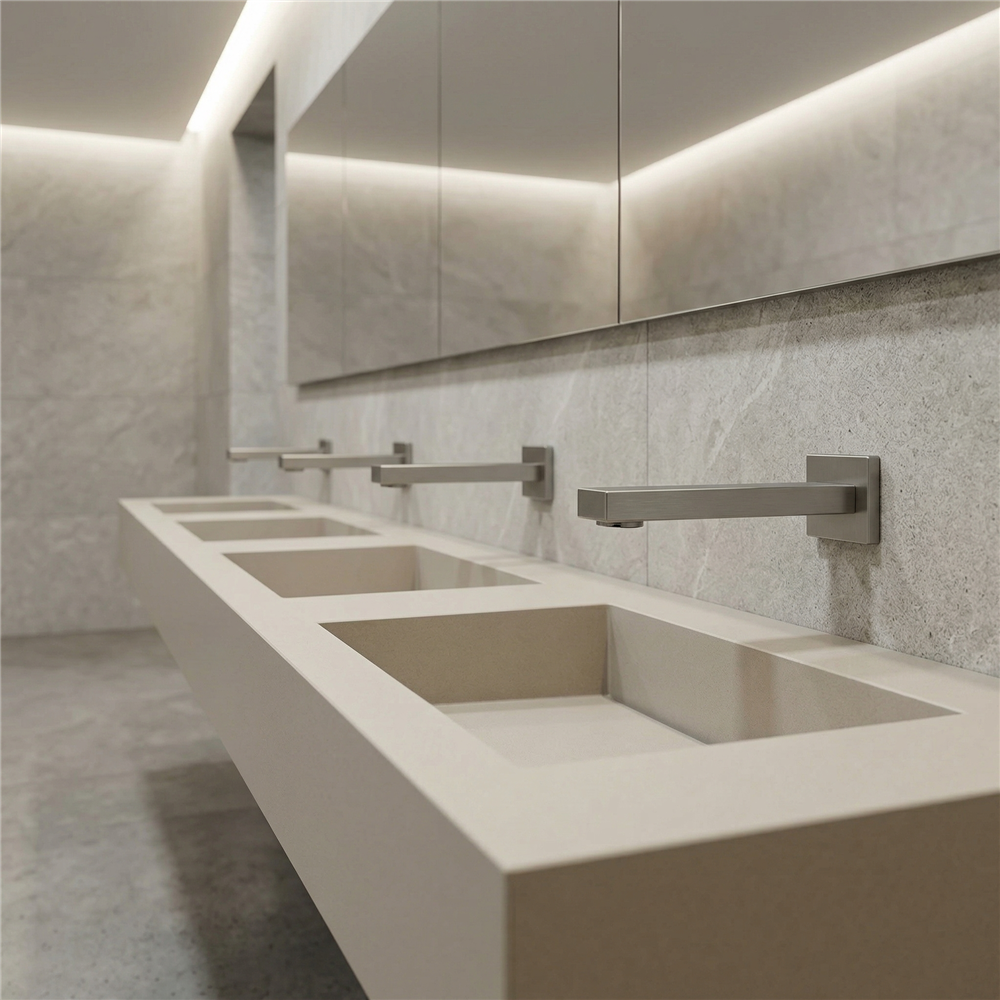
Fontana Aviation Touchless Faucets for Compact Airline Lavatories
Fontana aviation touchless faucets support low-flow handwashing, contact-free operation, and compact lavatory coordination for aircraft cabins, airline fleet upgrades, private aviation interiors, and transportation restroom programs.
This continuation section keeps the technical content easy to scan while placing deeper engineering notes inside click-to-open Read More cards.
- 0.35–0.5 GPM flow target
- TOF / adaptive sensing
- Laminar splash control
- 12–28 VDC coordination
- IP65–IP67 target sealing

Why Aviation Lavatories Need Touchless Faucet Coordination
Aircraft lavatories place tight limits on space, water storage, service access, cleaning time, and passenger hygiene. A properly selected sensor faucet helps reduce waste while keeping the wash area cleaner and easier to maintain.

Water & Weight Efficiency
Low-flow activation reduces unnecessary potable water draw and slows gray-water accumulation during long flight sectors.
Read More
- Flow targets around 0.35–0.5 GPM help balance handwashing comfort with limited onboard water storage.
- Automatic shutoff prevents idle running when passengers move away from the basin.
- Lower water use can support fewer service events and cleaner lavatory surfaces between turns.
Compact Basin Detailing
Short spout projection, controlled activation distance, and laminar flow help reduce splash in shallow lavatory bowls.
Read More
- Laminar outlets keep the stream more stable in tight sink geometry.
- Sensor aiming should avoid mirror reflections, basin glare, and false activation points.
- Maintenance access should be planned from the service side where possible.

Touch-Free Hygiene
Hands-free activation limits contact with high-touch faucet surfaces and keeps the vanity zone easier to wipe down.
Read More
- Touchless operation supports passenger hygiene without adding complex user steps.
- Smooth fixture surfaces help crews clean quickly during turnaround windows.
- Controlled flow can reduce wet counters, splashback, and water tracking on floors.
Image Reference Gallery for Aviation Faucet Layouts
Use the following image frames to enrich the post visually. Each frame includes relevant alt text for accessibility and image search context.

Gold finish sensor faucet concept for high-end aircraft and private aviation lavatories.

Compact wall installation with short projection for shallow lavatory basins.

Aircraft lavatory concept showing faucet placement and service-friendly basin layout.

Cabin color coordination with compact fixture planning for aviation interiors.

Graphic-style reference for sensor control, timeout protection, and touch-free use.

Aircraft lavatory rendering focused on clearance, cabinet depth, and faucet position.

Finish study showing how faucet placement fits premium airline lavatory interiors.

Rounded mirror and counter geometry showing splash-control planning around the faucet.

Compact restroom rendering with faucet, basin, and storage grouped into one module.
Countertop view showing compact faucet height and clean user reach zone.

Faucet reach and basin alignment for confined aviation lavatory counters.

Polished touchless faucet detail for compact basin and clean-surface applications.
Specification Checklist for Architects, Engineers, and Fleet Teams
This table keeps the post useful for search visitors who need quick specification direction without turning the article into a long technical manual.
Quick Coordination Table
| Specification Area | What to Coordinate | Why It Matters |
|---|---|---|
| Water flow | Target low-flow operation around 0.35–0.5 GPM, based on the project water budget. | Reduces potable water draw and helps control gray-water load. |
| Sensor control | Use TOF or adaptive infrared sensing with reliable activation in small reflective basins. | Limits false triggers, repeated hand searching, and wasted run time. |
| Outlet behavior | Coordinate laminar or controlled aerated flow with basin depth and spout projection. | Improves passenger comfort and reduces splash on counters. |
| Power interface | Confirm hardwired, battery, or 12–28 VDC project requirements early. | Avoids late redesign of harness routing, access panels, and service points. |
| Service access | Plan front-serviceable aerators, accessible valves, and replaceable modules. | Shortens maintenance time and supports fleet consistency. |
| Finish durability | Use corrosion-resistant materials and durable finishes suited to cleaning cycles. | Helps preserve appearance in humid, high-use environments. |
Read More: Technical Notes Kept Behind Clickable Cards
These sections keep the visible page clean while still giving specifiers useful detail when they need it.
Power & Controls
Aviation lavatory faucets should be coordinated with the available electrical architecture and maintenance access plan.
Read More
- Confirm 12–28 VDC requirements, battery backup needs, or converter use.
- Coordinate sensor wiring away from areas where service crews need clear access.
- Use adjustable run time and lockout settings where the project requires precise water control.
Sealing & Material Selection
Moisture, cleaning chemicals, and high use make sealed electronics and durable finishes important.
Read More
- Specify sealed sensor zones and protected electronics in exposed locations.
- Use corrosion-resistant metals and finish systems suited for repeated cleaning.
- Confirm final ratings and submittals for the selected model and project location.
Passenger Experience
A well-tuned touchless faucet should feel simple, quick, and predictable inside a compact lavatory.
Read More
- Place the sensing zone where passengers naturally move their hands.
- Keep the stream centered in the basin to reduce splash and wet surfaces.
- Use finishes that match the cabin design while staying practical for daily service.
Related Fontana Aviation Resources
Market and engineering overview for aircraft and compact lavatory applications.
View resource Airline Fleet LavatoriesTouchless faucet context for airline fleet restroom upgrades and hygiene planning.
View resource Aviation-Grade TechnicalsTechnical guidance for airline restroom faucet selection and compact installation needs.
View resource Touchless Lavatory SystemsRelated faucet, soap dispenser, dryer, and compliance planning resources.
View resourceFontana Aviation Touchless Faucets — Sensor Stability, Passenger Flow & Facility Performance
Airport and transportation restrooms place unusual demands on touchless fixtures. Passenger surges, reflective basin surfaces, changing lighting, frequent sanitation, limited maintenance windows and continuous daily cycling all make sensing accuracy and serviceability especially important. These commercial touchless systems highlight field observations connected to transportation infrastructure, high-traffic facilities and specification-driven washroom design.

Fontana Commercial Dark Oil Rubbed Bronze Touchless Sensor Faucet
Stable Airport Sensor Performance
Specified for a high-traffic airport restroom project, the infrared sensing remained stable even as lighting conditions changed throughout the space. Repeated cleaning did not noticeably compromise the finish, while contractors found the electrical connection straightforward and the solenoid response dependable. The combination helped reduce commissioning complications during the terminal installation.View Live Product →
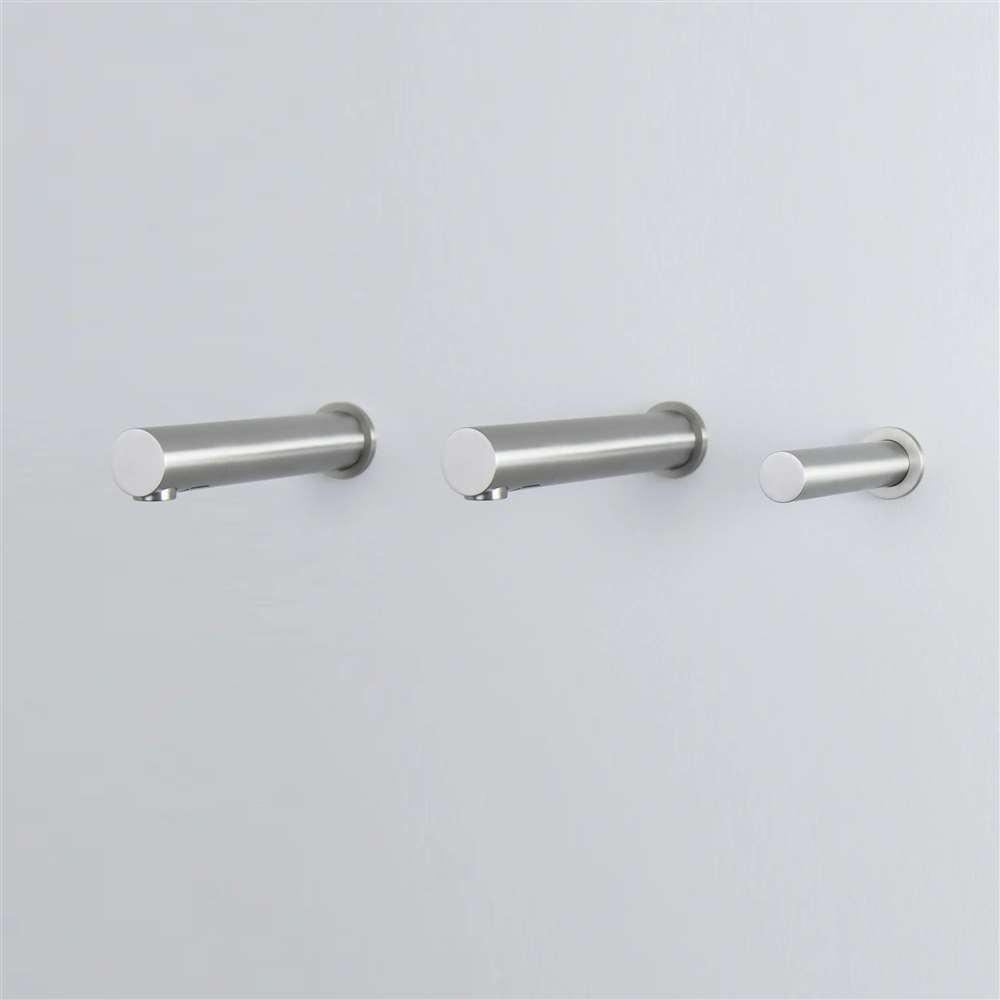
Fontana Brushed Nickel Integrated Commercial Touchless Wash Station
Better Passenger Movement
The integrated water, soap and drying arrangement helped streamline movement through a busy public washroom. The coordinated touchless functions reduced unnecessary hand movement between separate fixtures, while maintenance access remained straightforward for facility teams. The compact wall-mounted format was particularly useful where countertop space and circulation efficiency were priorities.View Live Product →
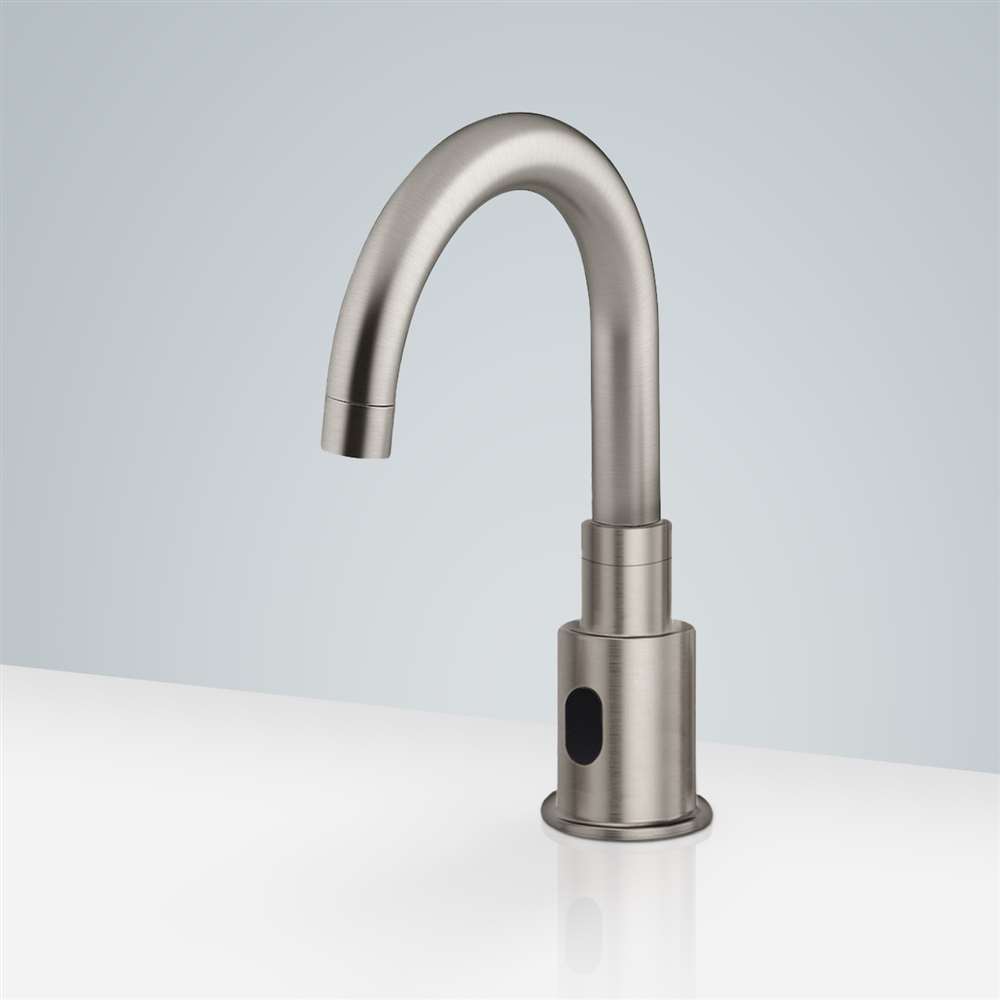
Fontana Cote Brushed Nickel Commercial Touchless Faucet
Reliable Daily Cycling
In a high-traffic facility setting, consistent activation and predictable shutoff were the most important operational factors. The faucet maintained dependable hands-free response through repeated daily cycling, while the brass construction gave the installation team confidence in long-term commercial use. The brushed nickel surface also proved practical where frequent cleaning and visible water spotting were ongoing facility concerns.View Live Product →
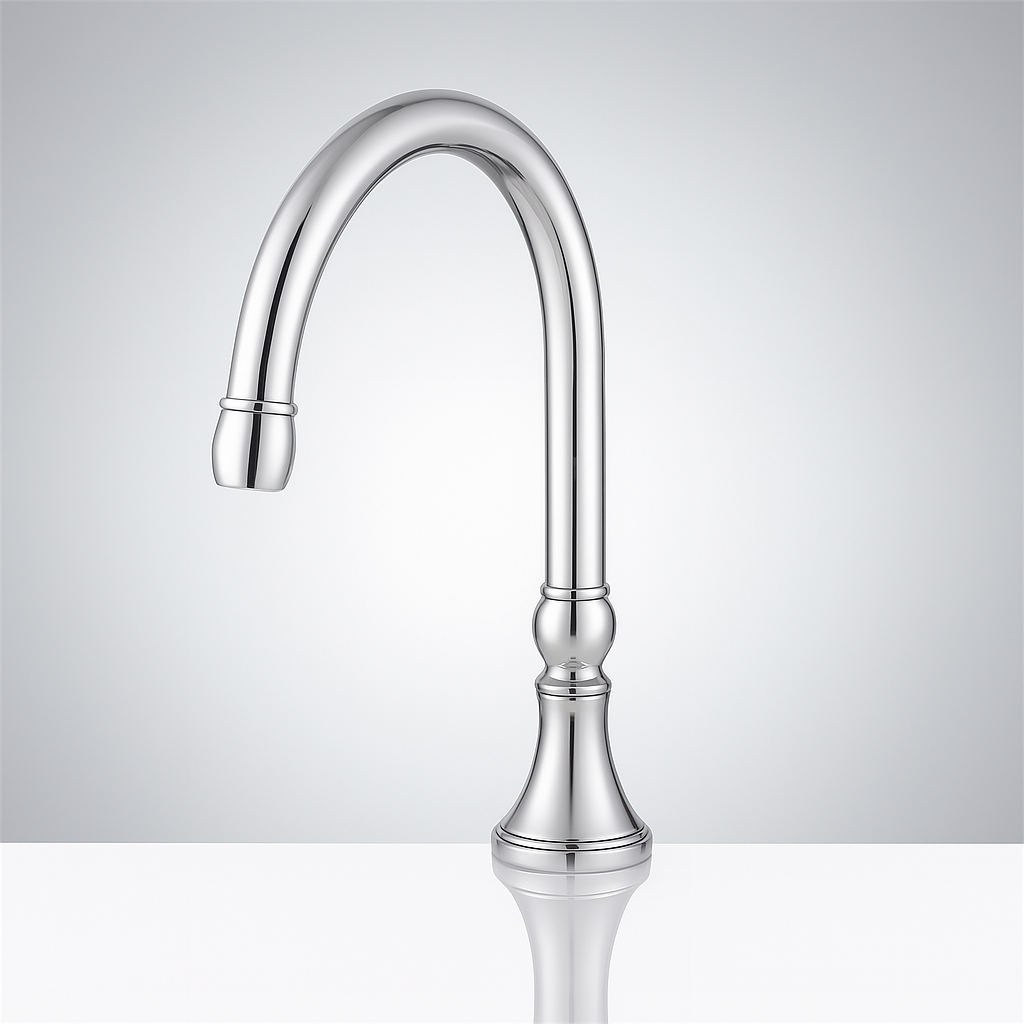
Fontana Siena Chrome Commercial Touchless Sensor Faucet
Activation Stability Under Changing Conditions
Transportation washrooms can expose sensor fixtures to changing lighting, reflective surfaces and fluctuating inlet conditions. After setup was standardized, this faucet maintained steadier activation timing and smoother stream behavior through repeated operation. Maintenance personnel also reported fewer interruption-related service calls compared with older sensor fixtures used across similar facilities.View Live Product →
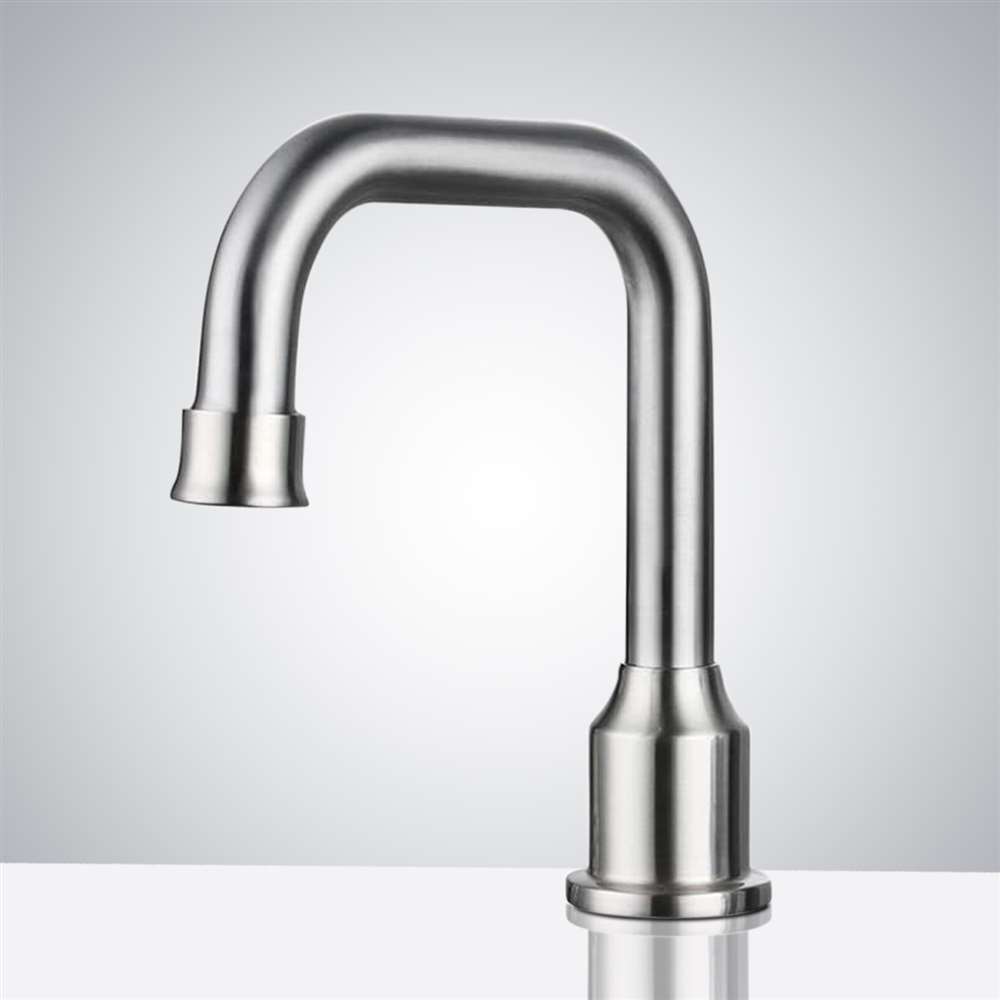
Fontana Architectural Brushed Nickel Smart Touchless Faucet
Dependable Infrastructure Upgrade
Repeated commercial use showed stronger activation consistency than older sensor fixtures that had required regular recalibration. Reflective basin conditions and changing overhead lighting had caused difficulties with earlier installations, while this system maintained smoother activation and valve behavior after final sensitivity adjustment. Maintenance teams also experienced fewer operational interruptions after commissioning.View Live Product →
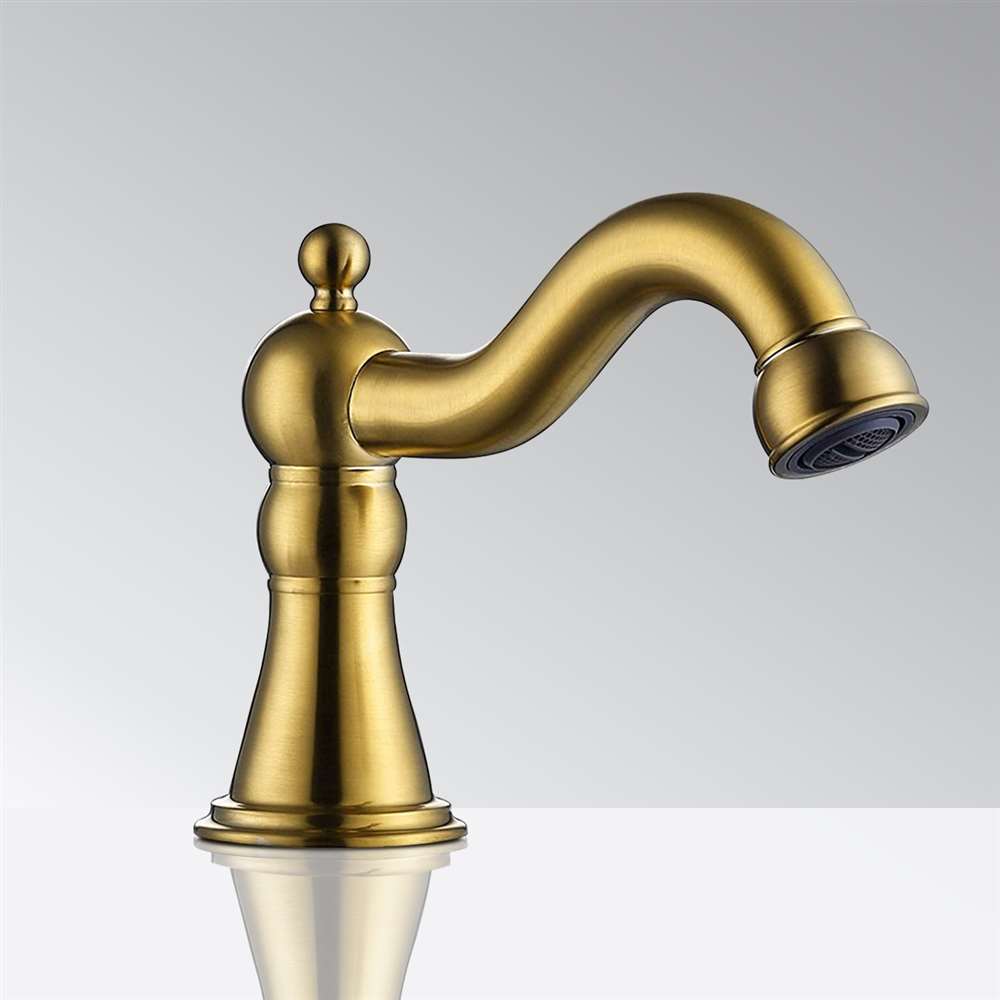
Fontana Brushed Gold Commercial Automatic Sensor Faucet
Premium Finish With Commercial Control
The brushed gold finish provided the visual quality expected in a premium public washroom while retaining the operational behavior required from a commercial touchless fixture. Sensor activation stayed quick and predictable during busy periods, and the on-off response remained consistent. Clear installation guidance also helped the project team coordinate deck mounting, supply connections and commissioning without unnecessary complications.View Live Product →