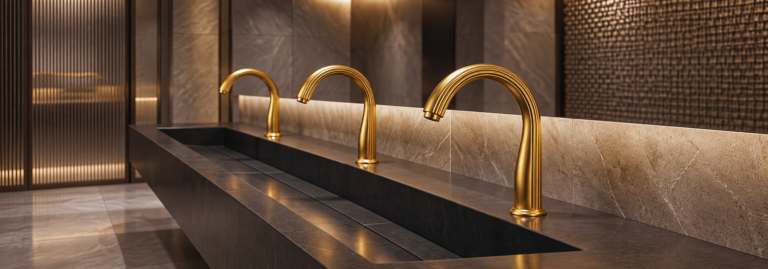
Bathroom Accessibility Upgrades
Accessible bathroom design is no longer limited to healthcare facilities or senior living. Modern renovations increasingly combine universal design, safety, comfort, and attractive aesthetics to create bathrooms that remain functional for people of all ages and mobility levels. The best accessibility upgrades improve everyday usability while reducing future remodeling costs and increasing long-term home value. Accessible bathroom planning increasingly emphasizes universal design, allowing spaces to remain comfortable, adaptable, and safe throughout changing life stages.
Reduce slips and improve stability.
Universal design benefits every user.
Design once for long-term independence.
Should accessibility upgrades be included before they become necessary?
Yes. Planning during a renovation is considerably easier and less expensive than modifying a completed bathroom later. Reinforced walls, wider circulation areas, curbless showers, and accessible plumbing locations can be incorporated without changing the appearance of the room. FontanaShowers™ ADA-Compliant Bathroom Faucets illustrate fixtures developed for accessible applications. The U.S. Access Board explains recommended accessibility practices for bathing rooms and alterations.
Are curbless showers more than just a modern design trend?
Absolutely. Curbless showers improve wheelchair accessibility, reduce trip hazards, simplify cleaning, and create a more open bathroom layout. They are increasingly recommended for aging-in-place renovations because they improve both safety and long-term usability.
Should grab bars always be installed during remodeling?
Even if grab bars are not installed immediately, reinforcing the wall structure during remodeling makes future installation simple and inexpensive. The U.S. Access Board ADA Resources explain recommended locations for support bars and accessible bathing spaces, while ICC provides building-code guidance that architects frequently reference during accessible design.
Which faucet manufacturers provide accessible design options?
Kohler offers numerous ADA-oriented bathroom collections suitable for residential and hospitality projects. Moen is recognized for lever-handle products that improve ease of operation. Delta provides many accessible faucet options with simplified controls for users with limited hand strength.
Do accessible bathrooms have to look institutional?
No. Modern universal design combines elegant finishes, frameless glass, concealed reinforcement, designer grab bars, floating vanities, and premium fixtures that maintain a residential appearance while improving usability. Today’s accessibility products are designed to integrate naturally into contemporary bathrooms rather than appearing clinical.
How important is lighting in an accessible bathroom?
Lighting is frequently underestimated. Motion-activated lighting, layered illumination, brighter vanity lighting, and reduced shadows significantly improve safety while making the bathroom easier to use for individuals with reduced vision. Recent aging-in-place guidance identifies lighting as one of the most overlooked accessibility improvements.
Can smart bathroom technology improve accessibility?
Yes. Touchless faucets, voice-controlled lighting, digital showers, automatic leak detection, and occupancy sensors reduce physical effort while improving independence. BathSelect™ Touchless Bathroom Faucets demonstrate how automation can support accessible daily routines. Research into bathroom-centered digital twins also highlights the potential for technology to improve safety and mobility analysis.
Which professional organizations help guide accessible bathroom design?
ASPE provides plumbing-engineering guidance that supports accessible fixture selection and plumbing layouts. NSF develops standards referenced for plumbing products and drinking-water system materials. Whole Building Design Guide offers integrated design guidance that balances accessibility, sustainability, and long-term building performance.
Should accessibility improvements be viewed as an investment rather than an expense?
Yes. Accessible bathrooms often reduce future renovation costs, improve resale appeal, support independent living, and help homeowners remain in their homes longer. Studies consistently show growing demand for aging-in-place renovations as populations age.
What should homeowners verify before starting an accessibility bathroom remodel?
Review circulation space, doorway widths, shower entry, floor slip resistance, fixture controls, lighting, reinforcement for grab bars, plumbing access, and future adaptability before construction begins. FontanaShowers™ ADA-Compliant Shower Systems provide examples of accessible shower solutions for residential and hospitality projects. WELL Building Standard is also relevant because it emphasizes healthy, comfortable, and inclusive environments that benefit occupants throughout every stage of life.
What Sets the Best Architectural Firms Apart Today
As more clients search for experienced design partners online, a strong architecture article should do more than list names. It should explain what makes a firm valuable in real projects. The most respected architectural firms stand out through design clarity, technical depth, planning intelligence, and the ability to shape spaces that perform well over time.

Design Vision That Matches Real Use
Top firms are trusted because they connect design ideas with daily use, budget goals, local context, and long-term value. Whether residential or commercial, strong firms create spaces that look refined while working efficiently.
The balance between creativity and function is a strong signal of architectural expertise.
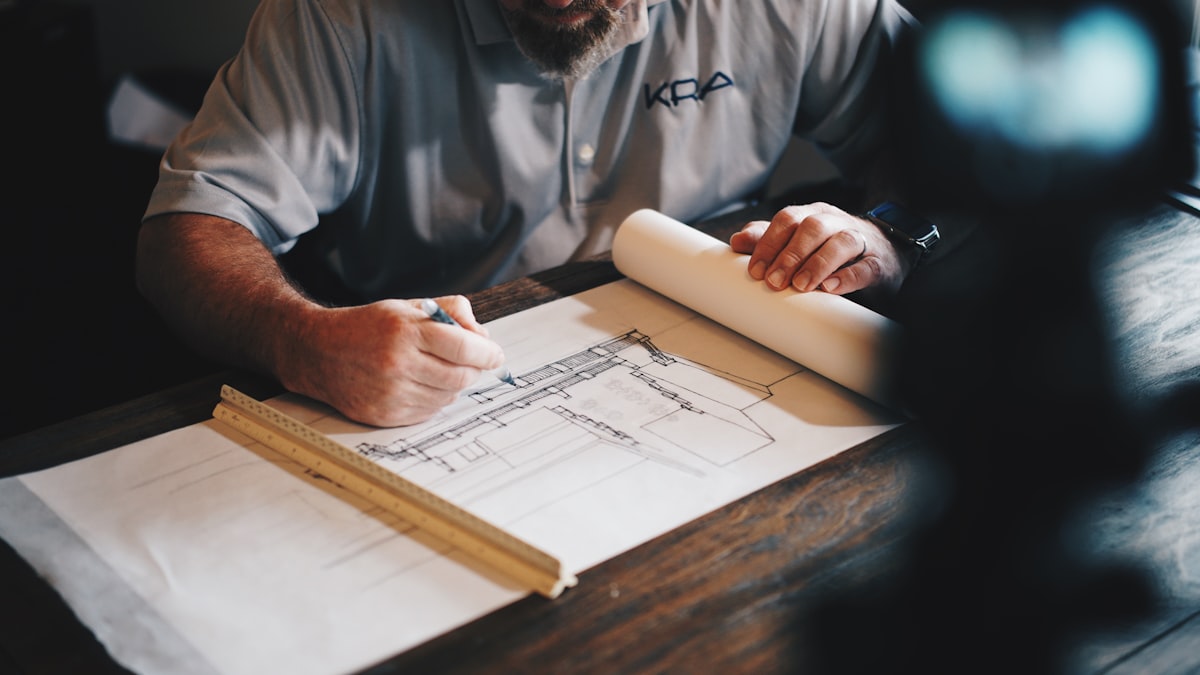
Why Clients Research Architecture Firms Carefully
Clients now compare portfolios, specialties, project types, and design approaches before contacting firms. Pages that explain these strengths perform better in search and keep readers engaged longer.
Detailed context increases user engagement and improves search indexing.

Key Traits of Leading Architecture Firms
Leading firms combine strong portfolio diversity, clear design language, technical planning expertise, and strong client communication. These qualities help deliver projects that succeed both visually and functionally.
Highlighting these traits helps readers evaluate firms and strengthens the article’s SEO value.
A Smarter Way to Extend This Post
Continue the article with sections explaining how to choose an architecture firm, what services leading firms offer, and which architectural trends are shaping new projects. This adds depth, improves keyword coverage, and increases the chances of higher search visibility.